Bipolar Disorder and Pregnancy: What You Need to Know
Pregnancy is possible and often goes well for people with bipolar disorder, but it requires careful planning, not guesswork. The biggest decisions center on medication…

Pregnancy is possible and often goes well for people with bipolar disorder, but it requires careful planning, not guesswork. The biggest decisions center on medication…

Travel is possible and often rewarding for people with bipolar disorder, but it comes with real risks: disrupted sleep, time zone shifts, missed medication doses,…
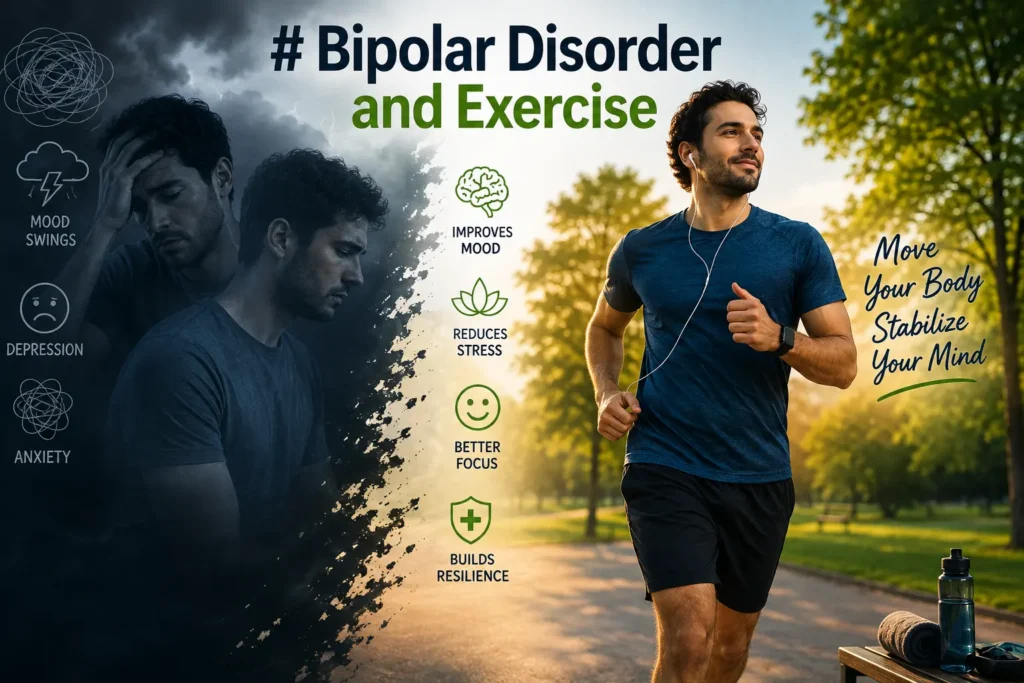
Regular, moderate exercise can help stabilize mood, ease depressive symptoms, and support sleep in people with bipolar disorder. But exercise isn’t automatically safe in every…
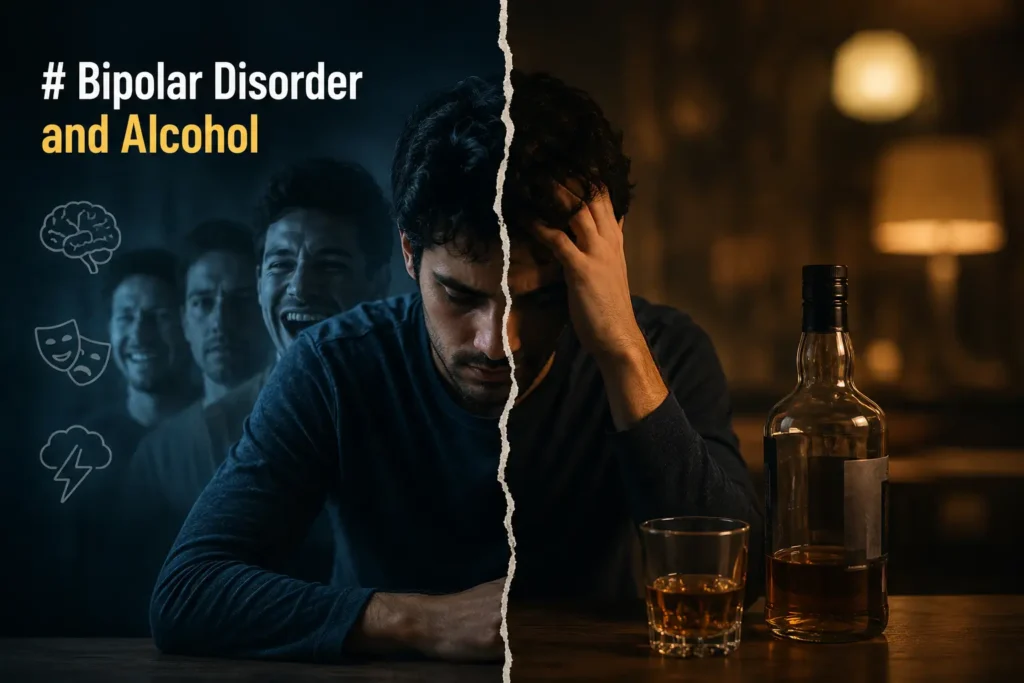
Alcohol and bipolar disorder are a particularly bad match. Drinking can trigger manic or depressive episodes, interfere with mood-stabilizing medications, and raise the risk of…
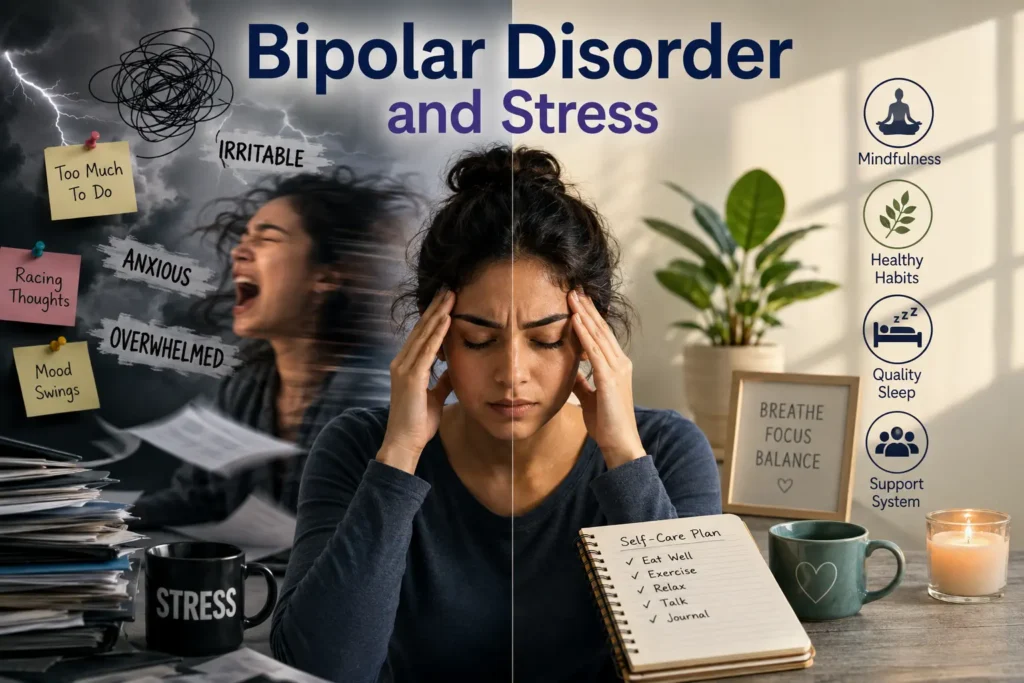
Bipolar Disorder and Stress are closely linked in both directions. Stressful events — from a job loss to a sleepless week to ongoing relationship conflict…
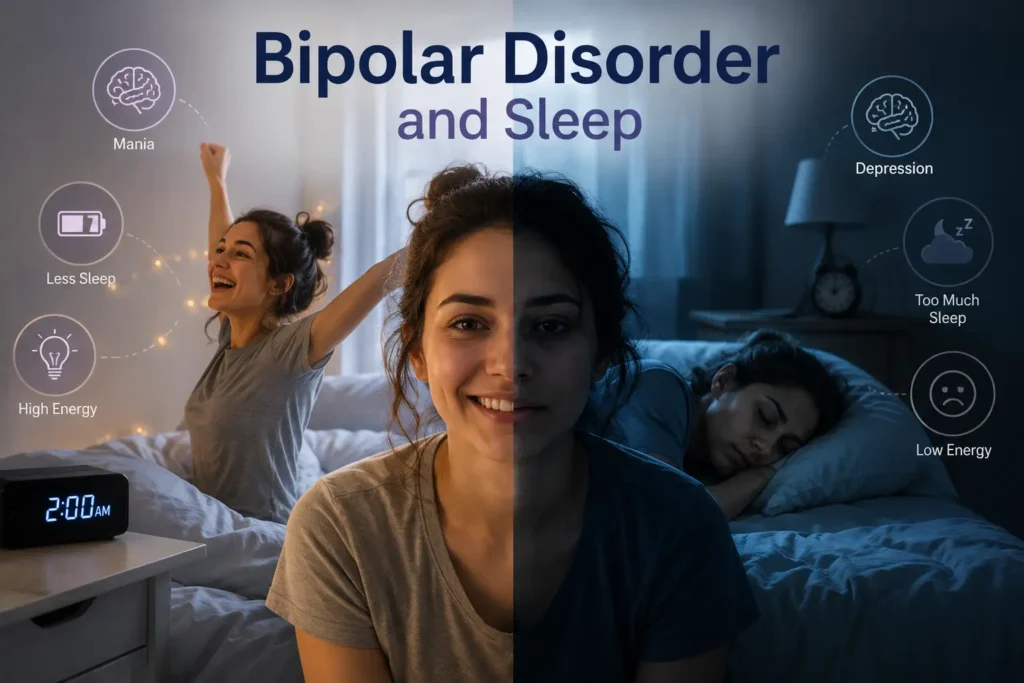
Sleep and bipolar disorder affect each other in both directions. A single night of lost sleep can trigger a manic or hypomanic episode, and mood…
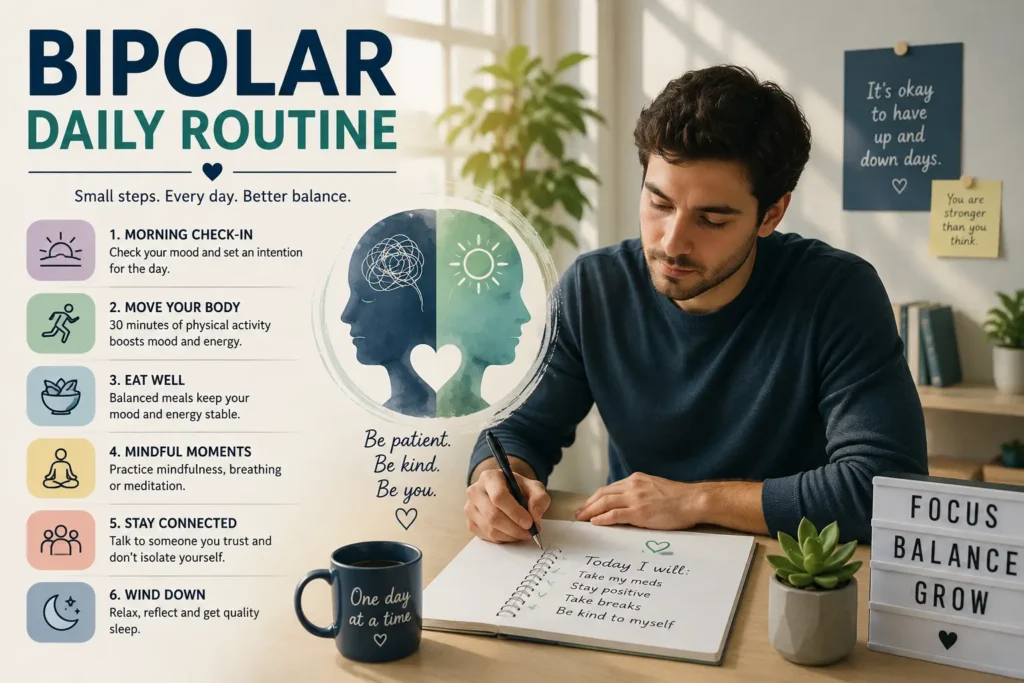
A bipolar daily routine works by keeping wake time, meals, activity, and sleep on a consistent schedule, which helps stabilize the internal body clock that…
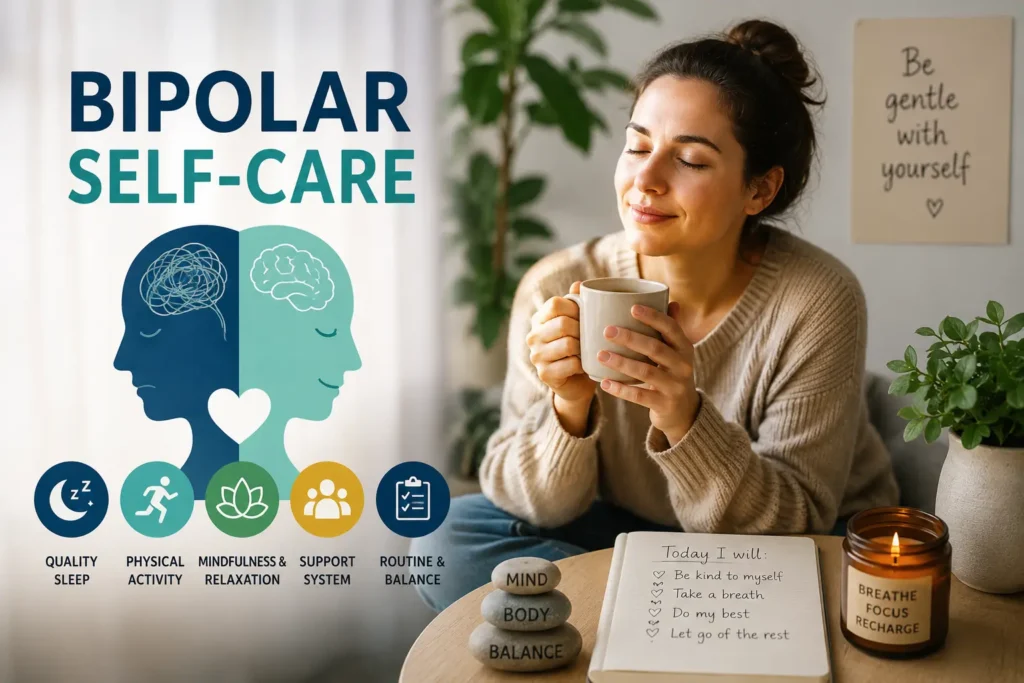
Bipolar self-care means building daily habits — steady sleep, mood tracking, stress management, medication adherence, and a strong support network — that work alongside professional…
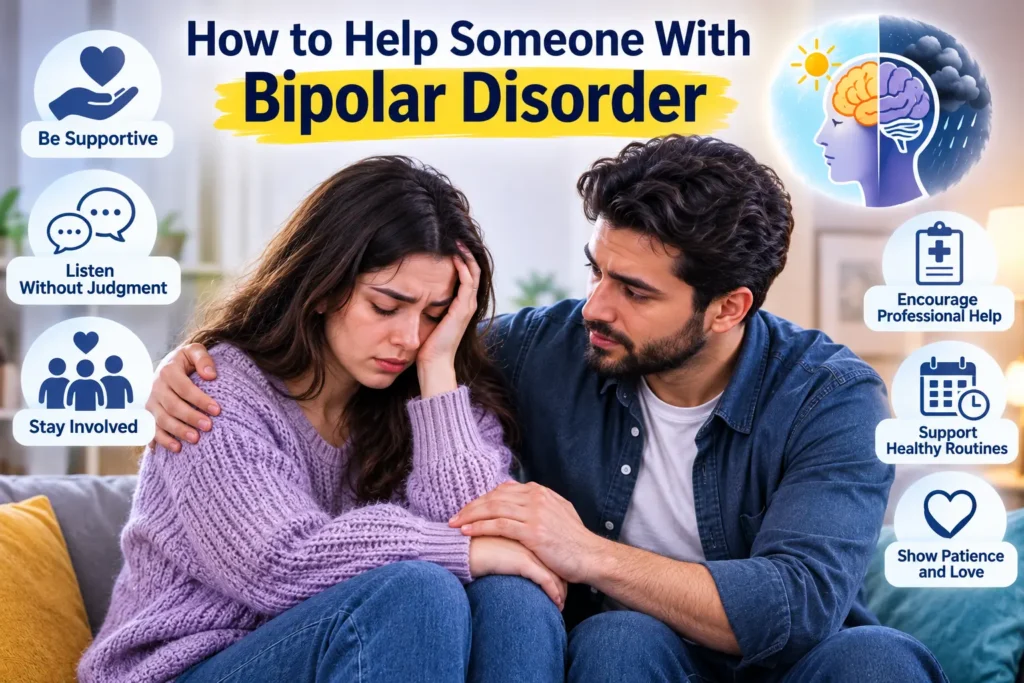
How to Help Someone With Bipolar Disorder The most helpful things you can do are: learn the person’s individual warning signs, respond calmly rather than…

Bipolar disorder doesn’t just affect the person diagnosed — it reshapes daily life for everyone close to them. Mood episodes can disrupt routines, finances, communication,…